Itineraries |
|
Vatican Gardens - An educational tour in which art, nature and religion are combined 
|

|
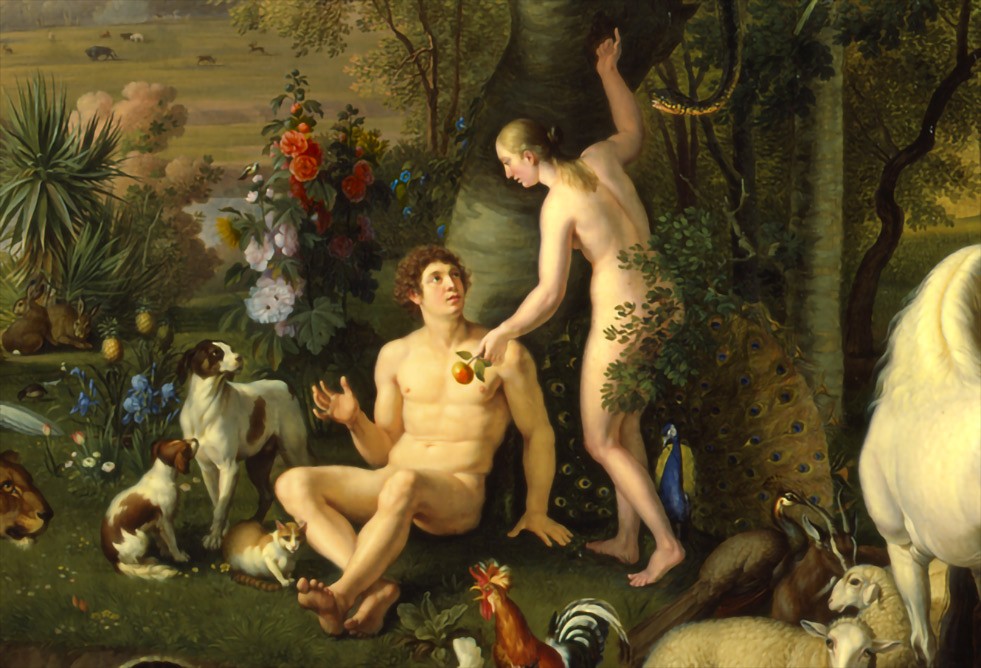
A tour of the "Pope's Gardens" along a route that, starting out from the wood and its papal coats of arms, leads to the origins, uses and Christian symbolism of the plants of the Biblical Garden, and ends up at the Casina of Pius IV, though not without having traversed the Gardens in the French and Italian styles. Each stage has its specific educational theme, animated by fun experiences such as the recognition of aromas, the compilation of the young botanist's notebook and the final questionnaire-quiz. No fear in the event of rain! An alternative tour of the Vatican Picture Gallery will be laid on instead!
N.B. The visit cannot be booked on Wednesdays.
|
| |
|
Vatican Pinacoteca (Picture Gallery) - For the mastery of space: perspective
|

|
How does a painter reproduce the third dimension on a flat surface? This is one of the most difficult questions and challenges that painters face. From the Greeks to the present, western painting has been confronted with this query, solving it in different ways depending on the different historical periods.
|
| |
|
Chiaramonti Gallery and the Braccio Nuovo - Short Grand Tour through divinities, mosaics and rivers
|

|
The Chiaramonti Museum and the Braccio Nuovo: less well known sections of the Vatican Museums, exploration through a short journey of discovery of the Ancient World, meeting Athena, Diana, Hercules, Cupid, the personification of the Nile and the Prima Porta Augustus. Between mythology and history students discover ancient polychrome sculptures, an aspect little known as white is the colour which we have inherited from Antiquity.
|
| |
|
Gregorian Profane Museum - On the banks of the Tiber: a day as a "Roman"
|

|
How did Romans live? What were their customs and traditions? A journey back through time to discover through sculptures, mosaics and sarcophagi aspects of their homes, clothing, eating habits and working and leisure activities. Students will transform themselves into ancient "Romans" for a day! |
| |
|
Gregorian Etruscan Museum - Gold, ceramics and bronze: the treasures of the Etruscans
|

|
The animated visit through the rooms of the Gregorian Etruscan Museum accompanies students in the discovery of objects and images that recount the characteristics of the Etruscan civilisation. The didactic activities explore the techniques used for working gold and ceramics and enable students to gain an understanding of the religion and daily life of the Etruscans.
|
| |
|