Thirty years and beyond in the Gregorian Etruscan Museum
Diary of a Journey
Vatican Museums Conference Hall – in person and live streaming
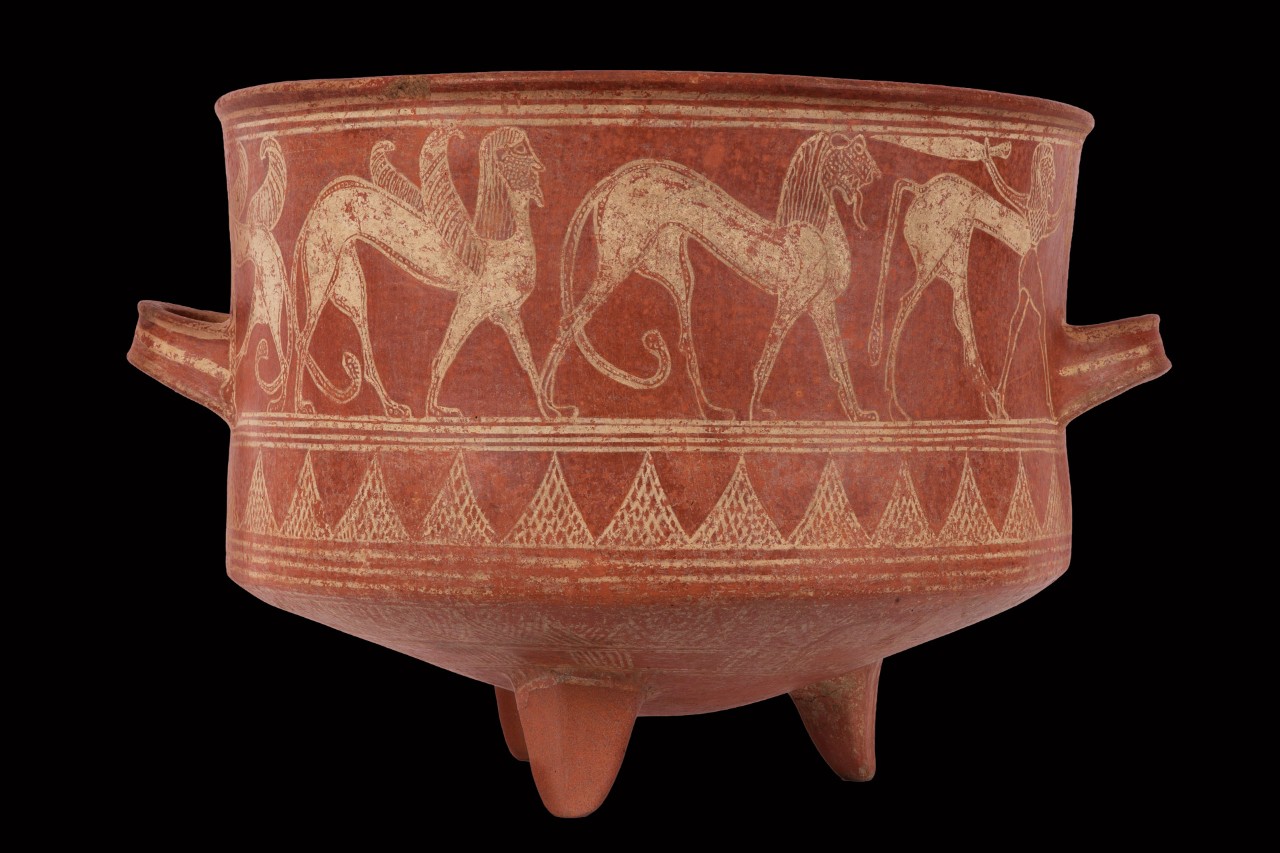
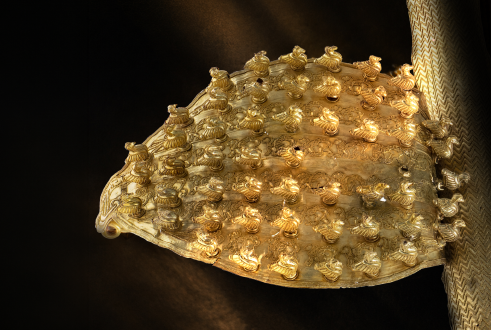
On Thursday 21 May, at 17.00, a new event in the Thursday at the Museums series will take place. With the conference “Thirty Years and Beyond at the Gregorian Etruscan Museum. Diary of a Journey”, Maurizio Sannibale, Curator of the Gregorian Etruscan Museum for the past thirty years, will offer a personal and cultural reflection through the entries of a travel diary, providing a historical perspective on the history of the museum founded by Pope Gregory XVI in 1837: a conversation in the light of his experience within the Vatican Museums, where he has spent his entire career spanning over 40 years.
Maurizio Sannibale will touch lightly, and by necessity selectively, upon events, people, studies, restorations and research, exhibitions, works and topics that have piqued his curiosity; in short, he will illustrate the life of the museum as seen from within, yet not confined to it. This leads to an understanding of the museum itself not merely as a container or a static exhibition space, whether aesthetically appealing or not – certainly a treasure trove and a place of delight – but also, and above all, as a dynamic force for dialogue and cultural production, for the growth of knowledge, without which no work of conservation and enhancement can be meaningfully undertaken.
The Gregorian Etruscan Museum, the first expressly dedicated to Etruscan antiquities, it’s approaching its 200th anniversary, and looks at its tradition and its identity as it heads towards the future. A thread of continuity links the Museum of Gregory XVI – which emerged from the frenetic and extraordinary archaeological discoveries of the Romantic era in Etruria, then part of the Papal States – to the present-day museum. The latter, in terms of its size and external appearance, the layout of its galleries, but not its essence, is largely the product of the twentieth century, a century in which it enjoyed a “second life” with new exhibitions and the gradual expansion of its spaces, as well as its collections through significant new acquisitions.
It is a story that consists above all of people, linked by a common thread that connects a handful of scholars and their work, from Bartolomeo Nogara, a pioneer of modern Etruscology and the museum’s first director from 1900, followed by Filippo Magi, Francesco Roncalli, Francesco Buranelli and, finally, the current Curator, who has embraced and continued the work of all his predecessors, guiding the museum through the first three decades of the present century.
The conference, introduced by Barbara Jatta, Director of the Vatican Museums, will include contributions from Giandomenico Spinola, Deputy Artistic-Scientific Director of the Museums, and Francesco Buranelli, Director of the Gregorian Etruscan Museum from 1983 to 1996 and subsequently Director of the Vatican Museums from 1996 to 2007.